How Artists Use AI in the Creative Process
This year marks my 6th year using AI as a creative partner.
02062026 – When I started, there were no playbooks. No workflows. No “best practices.”
Just curiosity, experimentation, and a lot of late nights asking: What happens if I push this a little further?
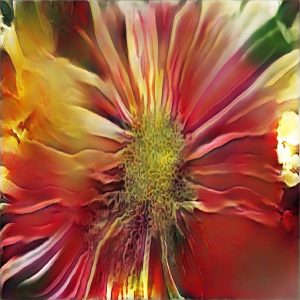
Flower Magic – Playform AI, 2021
Over the years, AI became part of how I think, not just how I make.
It helped me expand worlds, prototype ideas faster, and translate imagination into film, music, books, and visual stories that simply weren’t possible for me before.
But here’s the part that often gets misunderstood—especially by clients new to AI:
AI doesn’t replace creative labor. It reorganizes it.
When I produce an AI-driven creative project, I’m not “pressing a button.” I’m building a virtual production studio—assigning the right tools to the right roles, directing them, correcting them, and making them work together toward a single, coherent vision. Setting it up takes time!
Think of it like a film set:
• Different tools act as different departments
• Each model has strengths and limitations
• Consistency, emotion, and storytelling still come from human direction
• The real work is integration, decision-making, and aesthetics
For clients and collaborators who are new to AI, this is often the biggest aha moment.
AI is the crew. The artist is still the director.
That’s why education is now a core part of my creative practice.
When I work with clients, I spend time explaining:
– Why characters don’t magically stay consistent
– Why commercial rights matter
– Why iteration is the process
– Why strategy and creative direction matter more than ever
AI allows us to move faster—but only if we slow down long enough to design the process properly.
 Six years in, I’m more convinced than ever:
The future of creative work belongs to artists who can translate imagination into systems, and help others understand how the magic is actually made.
And honestly?
We’re still just getting started. ✨